Source Black Painting Seamless Steel Pipe for Oil, Gas, Construction
Compare 30 listings of black painting seamless steel pipe from verified suppliers. Buyers can evaluate specifications like wall thickness, grades, and surface treatments for pipeline transport, machinery, and boiler applications; compare the available evidence and request quotations based on your requirements.
Key considerations
Products List




Comprehensive Sourcing Guide
Black Painting Seamless Steel Pipe Sourcing Guide
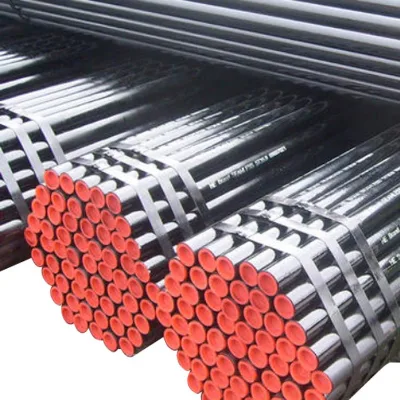
Procuring black painted seamless steel pipes requires a clear understanding of the specific manufacturing techniques and surface treatments available in the current market. Buyers must distinguish between pipes produced via Electric Resistance Welding (ERW) and those manufactured through hot rolling processes, as the latter is often associated with the seamless designation found in listings. The surface finish, typically described as black or oil-painted, serves as a primary protective layer against corrosion during transit and initial storage, though it may not be sufficient for long-term outdoor exposure without additional galvanization.
When evaluating suppliers, it is critical to verify that the "black" finish aligns with the specific application requirements, such as pipeline transport or machinery industry use. The observed product range includes pipes with wall thicknesses varying from 0.4mm to 50mm, indicating that a single supplier may offer diverse capabilities. Buyers should confirm whether the black paint is a standard oil-based treatment or a specialized varnish, as this distinction impacts the pipe's suitability for chemical industries or hydraulic applications where surface integrity is paramount.
Product Scope and Observed Listing Signals
The market for seamless steel pipes presents a wide spectrum of specifications, with observed outer diameters ranging from 4mm to 76.2mm in some listings, while others extend up to 609.6mm. Lengths are frequently customizable, with standard offerings often falling between 3 and 12 meters, though some suppliers allow for specific requirements based on project needs. This variability necessitates a precise definition of the required dimensions before engaging with potential vendors to ensure the product matches the engineering constraints of the intended infrastructure or machinery.
Surface treatment options observed in the supply chain include black finishes, oil coatings, and hot-dipped galvanization, each serving different environmental protection goals. The product origin is frequently cited as China, with specific mentions of regions like Jinnuo, suggesting a concentration of manufacturing capacity in this area. Buyers should scrutinize the packing methods, which range from standard bundles with waterproof plastic tarpaulins to custom seaworthy export packages, to ensure the pipes arrive without damage or surface degradation during international shipping.
Technical Specifications to Verify
Technical verification must begin with the material composition, as the supplied data indicates a focus on carbon steel grades such as A, B, 20#, X42, X56, X65, and X70. These grades determine the mechanical properties and suitability for high-pressure applications like oil and gas drilling or boiler pipes. It is essential to confirm that the pipe is truly seamless, as the distinction from welded pipes affects pressure ratings and structural integrity, particularly in critical sectors like petroleum transport and chemical processing where failure is not an option.
Dimensional tolerances and wall thickness consistency are equally critical, with observed ranges spanning from 0.5mm to 25mm or even up to 50mm depending on the specific product model. Buyers should request mill test reports that validate the wall thickness tolerance, often cited as plus or minus 1-5%, to ensure the pipe meets the design load requirements. Additionally, the end finish of the pipe, whether plain, beveled, threaded, or grooved, must align with the connection methods planned for the installation to prevent leaks and ensure a secure fit within the pipeline system.
Compliance and Safety Documentation
Compliance with international standards is a non-negotiable aspect of sourcing seamless steel pipes, with observed certifications including ASTM, JIS, EN, GB, DIN, and API specifications. The ASTM A53 standard is frequently referenced for general structural and pressure applications, while other listings may cite ASTM A106 for high-temperature service. Buyers must verify that the supplier can provide documentation proving the product meets the specific standard required for the project, as using a pipe certified for a lower standard in a high-pressure environment can lead to catastrophic safety failures.
Quality management systems, such as ISO 9001 certification, serve as a baseline indicator of a supplier's commitment to consistent manufacturing processes. While the presence of such certifications is a positive signal, it does not guarantee that every batch of pipes will meet the exact performance claims without independent verification. Procurement teams should insist on third-party inspection reports that validate the chemical composition and mechanical strength of the steel, ensuring that the material properties align with the safety requirements of the specific industry, whether it be construction, mining, or food and beverage processing.
Cost Drivers and Commercial Terms
The cost of seamless steel pipes is heavily influenced by the raw material price of carbon steel, the complexity of the hot-rolling process, and the specific surface treatment applied. Variations in wall thickness and diameter significantly impact the weight and, consequently, the price per ton, making it essential for buyers to calculate costs based on exact specifications rather than generic market averages. Additionally, the choice of end finish, such as threading or grooving, adds labor and processing costs that must be factored into the total landed cost of the project.
Commercial terms and payment structures play a vital role in the financial planning of the procurement process, with observed terms including FOB, CFR, and CIF options. Payment methods often involve a combination of sight letters of credit and telegraphic transfers, such as a 30% T/T deposit, which requires careful cash flow management. Buyers should also account for lead times, which typically range from 10 to 30 days, and factor in potential delays due to logistics or production bottlenecks when scheduling project milestones and managing inventory levels.
Supplier Qualification and Quality Control
Supplier qualification extends beyond basic certification checks to include an assessment of their production capacity and quality control protocols. Buyers should investigate whether the supplier has a dedicated facility for hot-rolled seamless pipes and if they possess the necessary machinery to handle the specific diameters and thicknesses required. The ability to provide samples for pre-shipment inspection is a strong indicator of a supplier's confidence in their product quality and their willingness to engage in a transparent verification process.
Quality control measures must be rigorously applied throughout the manufacturing and packaging stages to prevent defects that could compromise the pipe's performance. This includes verifying the uniformity of the black paint or oil coating and ensuring that the bundling with waterproof plastic tarpaulins prevents moisture ingress during transit. Buyers should consider implementing a third-party inspection at the factory level to validate the dimensional accuracy, surface finish, and mechanical properties before the goods are released, thereby mitigating the risk of receiving substandard materials that could lead to project delays or safety hazards.
Long-Term Procurement Checks
Establishing a long-term procurement relationship requires a commitment to continuous performance monitoring and regular audits of the supplier's quality systems. Buyers should track the performance of the pipes in the field, noting any instances of corrosion, leakage, or structural failure that might indicate a deviation from the specified standards. This feedback loop is essential for maintaining high standards and ensuring that the supplier remains accountable for the quality of the materials supplied over the lifecycle of the project.
Regular re-evaluation of the supplier's compliance with changing international standards and environmental regulations is also crucial for long-term success. As industries evolve, the requirements for materials in sectors like oil and gas or chemical processing may become more stringent, necessitating that suppliers adapt their production processes accordingly. Buyers should maintain open communication channels with their suppliers to stay informed about any updates in material grades or manufacturing techniques that could impact the performance and safety of the seamless steel pipes in their applications.
FAQs
What surface treatments are available for seamless steel pipes?
Black painting is a common surface treatment option for seamless steel pipes, alongside oiling, varnishing, and hot-dipped galvanizing. These finishes protect the carbon steel material from corrosion during transport and storage. The specific treatment depends on the intended application, such as pipeline transport or construction, ensuring durability and compliance with standard export packaging requirements.
Can I customize the length of seamless carbon steel pipes?
Yes, customization of pipe length is available to meet specific project requirements. While standard lengths often range from 2 to 12 meters, buyers can request custom dimensions. This flexibility supports various applications, including oil and gas drilling or machinery industry uses, allowing for efficient logistics and reduced waste during installation and assembly processes.
Which standards apply to ASTM seamless steel pipes?
ASTM standards, such as ASTM A53, are widely applied to seamless steel pipes. Other recognized standards include JIS, EN, GB, DIN, KS, SUS, ANSI, and AISI. These standards ensure the pipes meet specific mechanical and chemical requirements for grades like X42, X56, and X70, guaranteeing quality for pipeline transport, chemical industry, and construction applications.
What is the typical wall thickness range for these pipes?
The wall thickness typically ranges from 0.4mm to 50mm, depending on the specific product model and application. For many standard seamless pipes, thicknesses between 1.5mm and 22mm are common. This variability allows selection for different pressure ratings and structural needs, ensuring suitability for hydraulic, automotive, or boiler pipe uses with precise tolerance control.
How are seamless steel pipes packaged for export?
Seamless steel pipes are packaged using standard seaworthy export methods to ensure safety during transit. Common options include bundling with strips, wrapping in plastic tarpaulins, or using waterproof plastic covers. This protective packaging prevents damage and corrosion, maintaining the integrity of the black or oiled surface finish until the pipes reach their final destination for installation.
What payment terms are accepted for bulk orders?
Common payment terms include at Sight L/C and 30% T/T for bulk orders. These flexible financial arrangements facilitate international trade, allowing buyers to manage cash flow effectively. Suppliers typically require a deposit via telegraphic transfer, with the balance settled against shipping documents, ensuring secure transactions for high-value industrial purchases of carbon steel pipes.